


Is it necessary to avoid so-called gas-producing foods while breastfeeding?
There is no doubt that breastfeeding is best for infants. Especially during this sensitive period, the mother’s diet plays a particularly important role — for both her and the infant. Breastfeeding mothers are often advised to avoid so‑called gas‑producing foods to prevent digestive discomfort in the infant. But is that actually true?
There is no scientific evidence that the gas‑producing substances in foods transfer into breast milk.
Foods commonly considered gas‑producing include cruciferous vegetables, onions, garlic, and legumes. The substances responsible for gas formation in these foods are mainly complex carbohydrates, indigestible fibers, and sulfur compounds. However, none of these substances pass into breast milk.
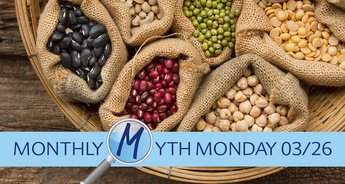
Fiber, in particular, is important for gut health and serves as nourishment for beneficial bacteria — so‑called probiotics. In addition, the foods mentioned are rich in vitamins and minerals, and legumes in particular are valuable sources of protein. Therefore, there is no reason to avoid the foods mentioned. Of course, individual needs should always be considered. If discomfort does occur, adjusting the preparation method or portion size may help.
An unwarranted restrictive diet is not necessary. Regular, balanced, and varied meals with a high nutrient density are essential during breastfeeding.
References:
Netzwerk Gesund ins Leben: Essen und Trinken in der Stillzeit, www.gesund-ins-leben.de/fuer-familien/alles-fuer-die-stillzeit/essen-und-trinken-in-der-stillzeit/
Abou-Dakn M. et al. Monatsschr Kinderheilkd 2025.173 (Suppl 1):S69–S93
Posovszky C. et al. Monatsschr Kinderheilkd 2025.173:986-995