


Newsletter - April 2026
Dear Readers,
We are pleased to present the latest edition of the HiPP Science Newsletter for healthcare professionals.
Summaries and reviews of current studies:
In this issue, we provide concise summaries and critical appraisals of recent studies in the fields of paediatrics and nutritional medicine.
We hope you enjoy reading them and find the insights valuable.
Best wishes
Christina Reisenzein
Editor of HiPP for Healthcare Professionals
News from HiPP

HiPP at the Annual Meeting of ESPGHAN
We are pleased to invite you to this year’s HiPP Symposium as part of the 58th Annual Meeting of the European Society for Paediatric Gastroenterology Hepatology (ESPGHAN).
Friday, June 26, 2026 12:00 – 13:00,
Lille Grand Palais, Théâtre Marie Curie
Disorders of the gut-brain-interaction: News in diagnostic understanding and nutritional therapy approaches
Chair: Kai O. Hensel, Wuppertal/Germany
And we are looking forward to welcoming you at the HiPP booth.
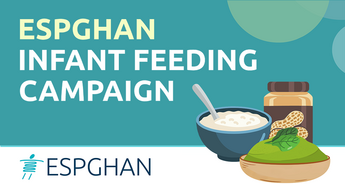
ESPGHAN Infant Feeding Campaign 2026
The ESPGHAN (European Society for Paediatric Gastroenterology Hepatology and Nutrition) launched a new Infant Feeding Campaign.
A new library of resources provides clear, evidence based, and consistent guidance for healthcare professionals and caregivers to improve infant and young child feeding practices across Europe.
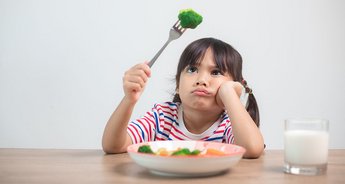
When toddlers don’t want to eat properly – a new clinical definition for a long-standing problem
Parents often report their children’s problematic eating habits during pediatric visits. A large Norwegian study examined the prevalence, characteristics, and genetic factors of ARFI (avoidant/restrictive food intake) in children.
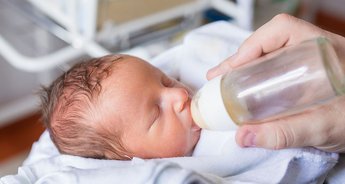
Early exclusive milk feeding for premature babies has no negative consequences
The initiation of oral milk feeding and the pace of feeding advancement in preterm infants vary widely between hospitals. A large British study has now compared full oral milk feeding from the first day of life with the conventional method, in which milk volumes are increased gradually and intravenous fluids are administered additionally.
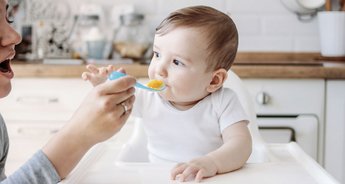
Acceptance of flavour in toddlers does not depend on how complementary food is introduced
There is still ongoing debate about how to foster the broadest possible acceptance of different flavours, foods, and textures early in life. A Brazilian study has now examined how different methods of introducing complementary foods influence food and taste preferences.
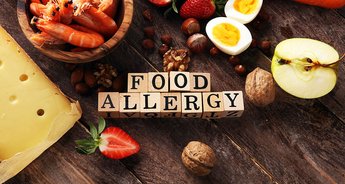
How new guidelines have influenced the development of IgE-mediated food allergies
IgE mediated food protein allergies are the most common cause of anaphylaxis and therefore must be consistently avoided. The study investigates to what extent new guidelines may influence the development of such IgE mediated food allergies.

Analyses of intestinal microbiome – commercially available, but to be used with caution in hospitals
New methods of microbiome analysis (without cultures, using genetic analysis of gut bacteria) have significantly expanded our understanding of the microbiome in relation to health and disease risks in recent years. An international research group now states in a consensus paper that such analyses should only be carried out under specific conditions.
HiPP Science Newsletter